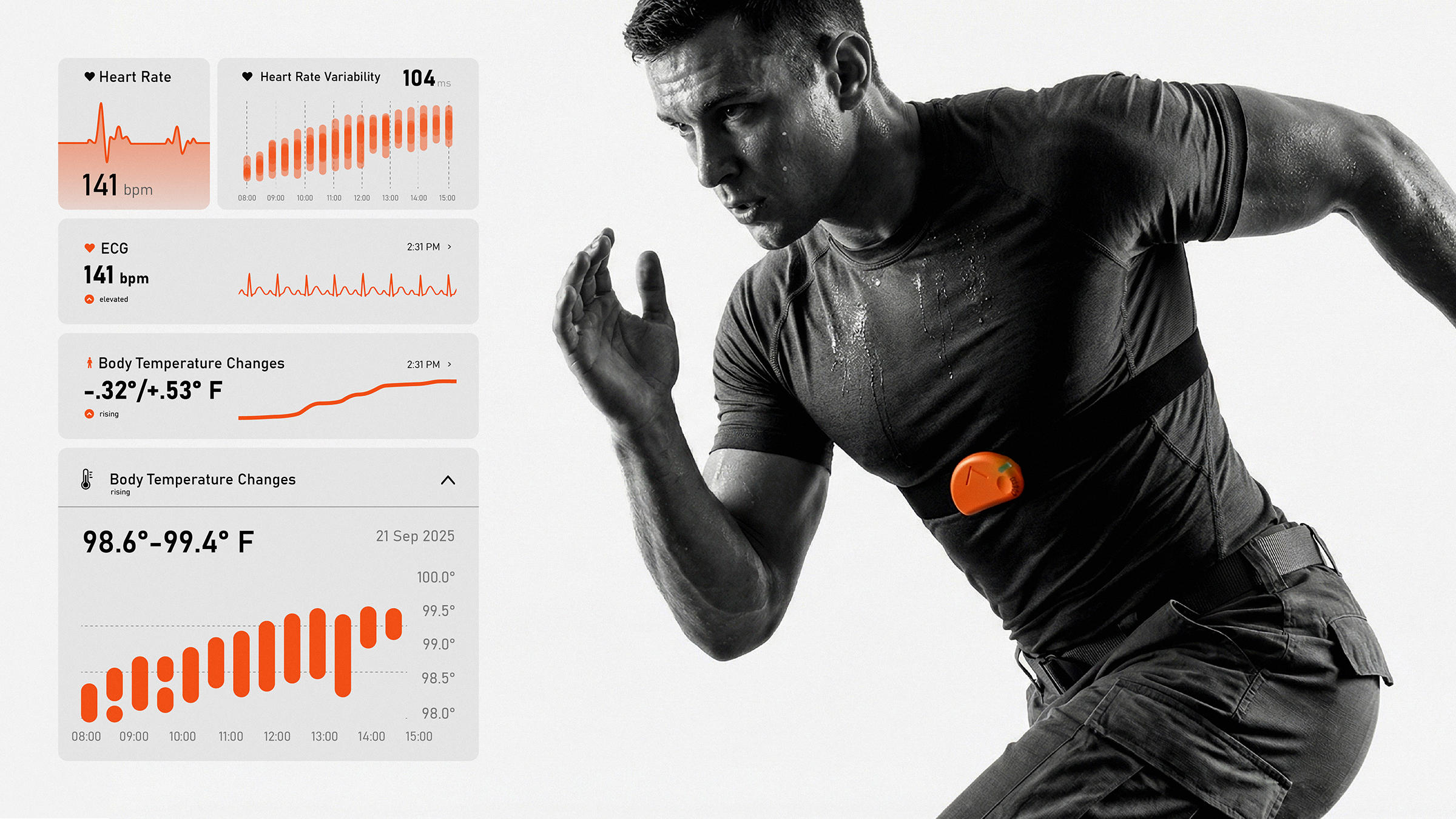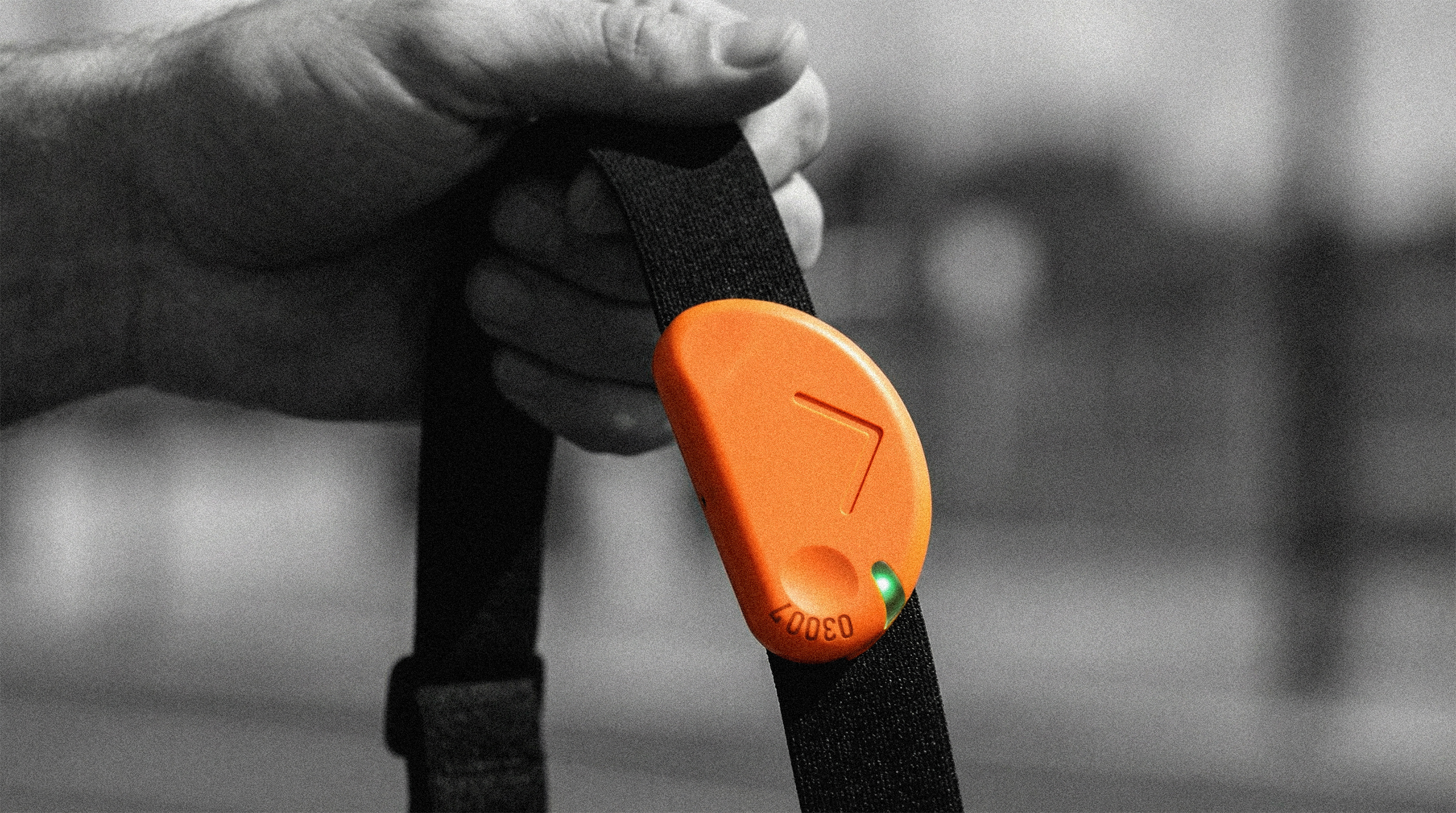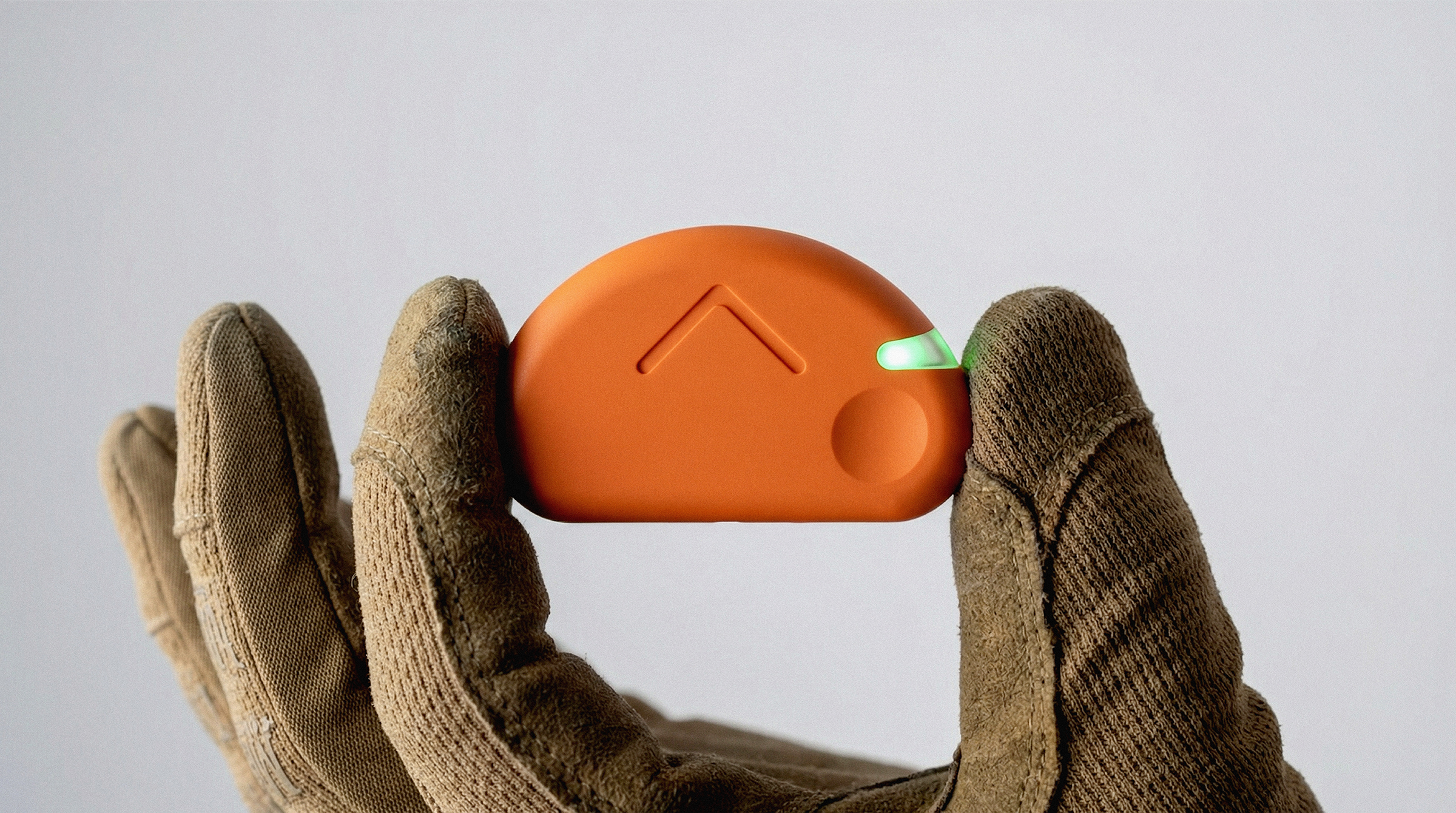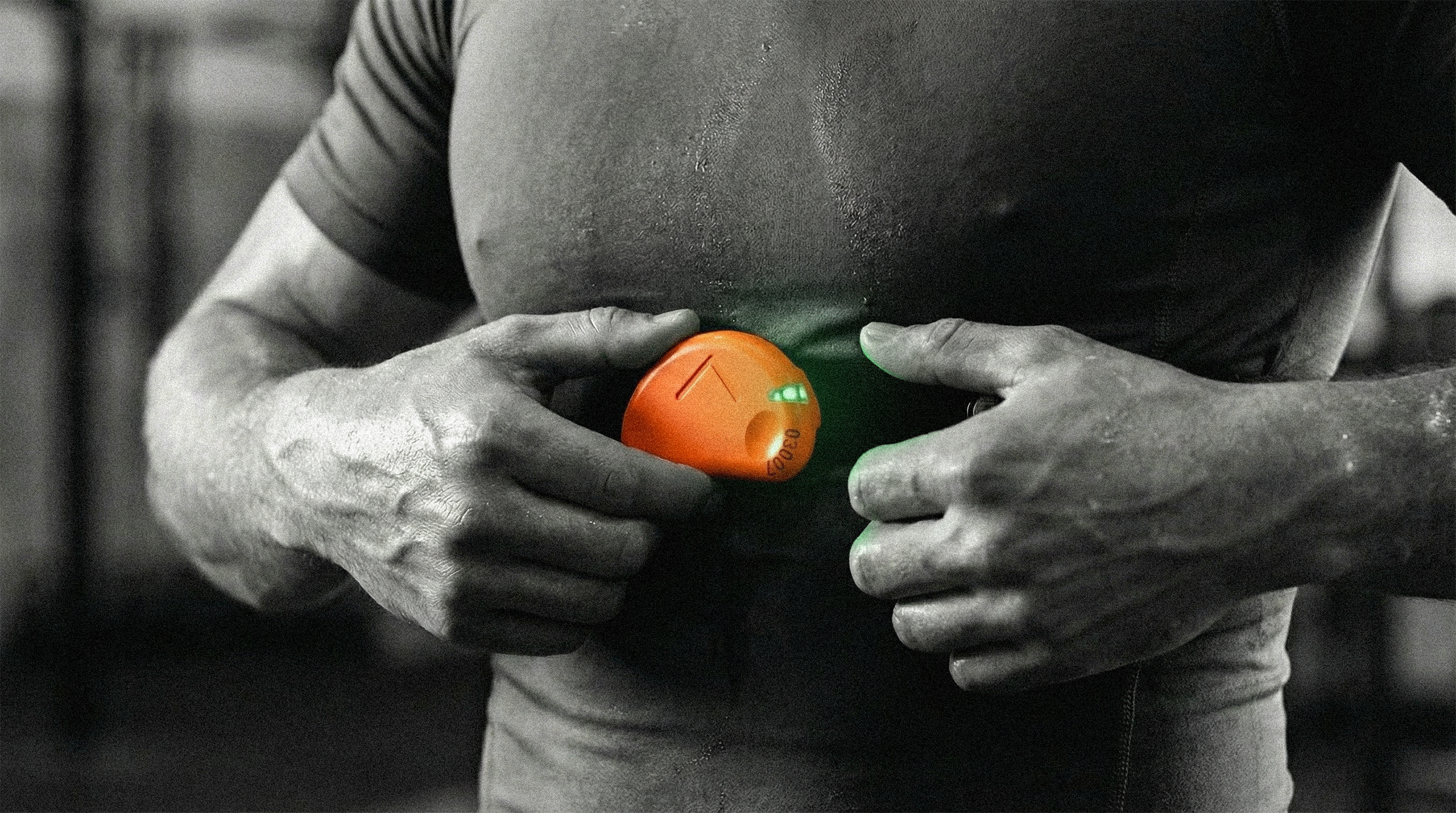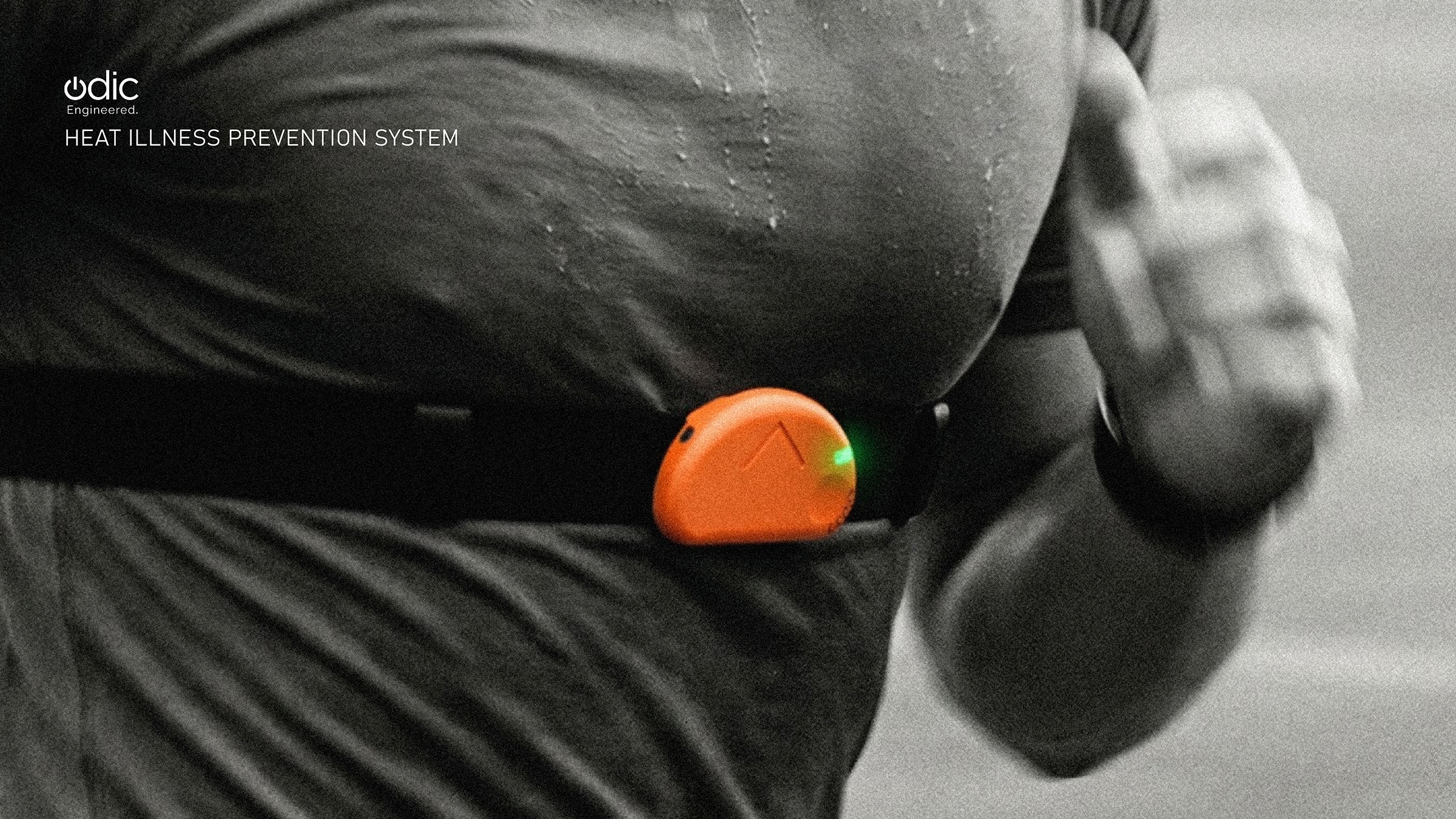
The Heat Illness Prevention System (HIPS) is a wearable physiological monitoring device designed to identify early signs of heat-related illness during intense physical activity. Developed in collaboration with the U.S. Army and research partners, the system enables real-time monitoring of soldiers’ physiological status in demanding training environments.
The ODIC ecosystem combines threshold-based training with real-time physiological monitoring, helping identify and prevent heat-related illness events before they become critical.
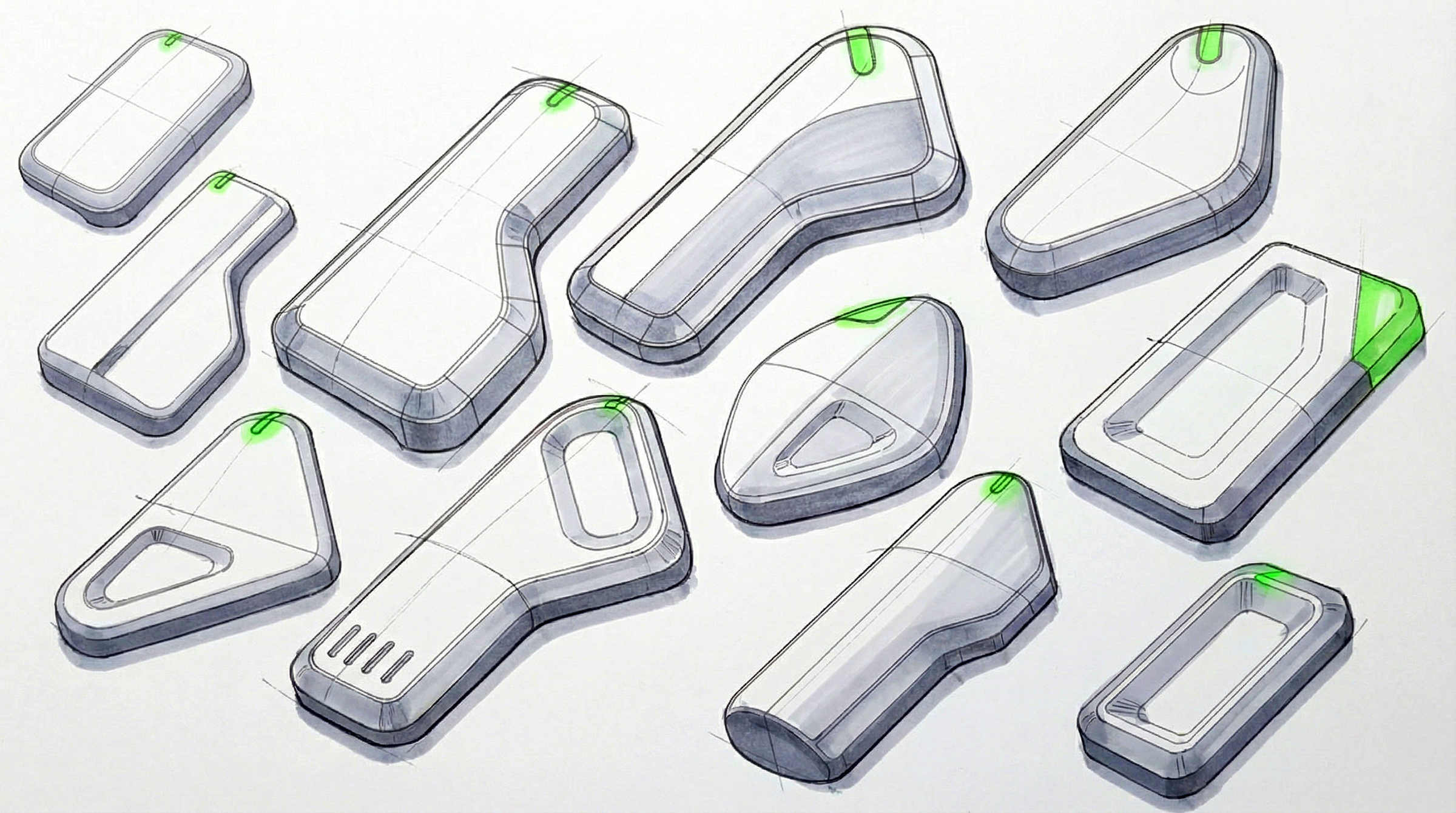
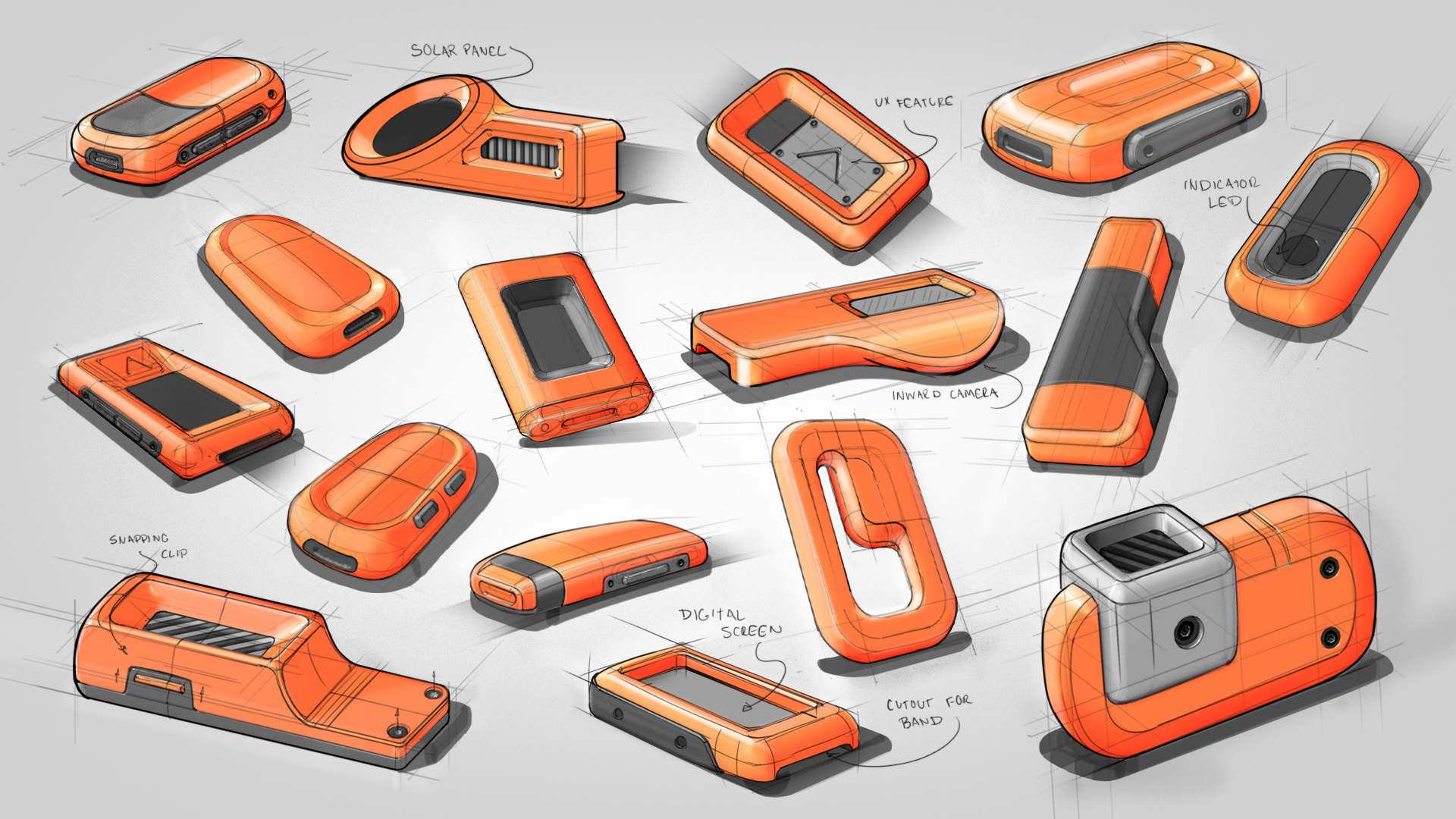
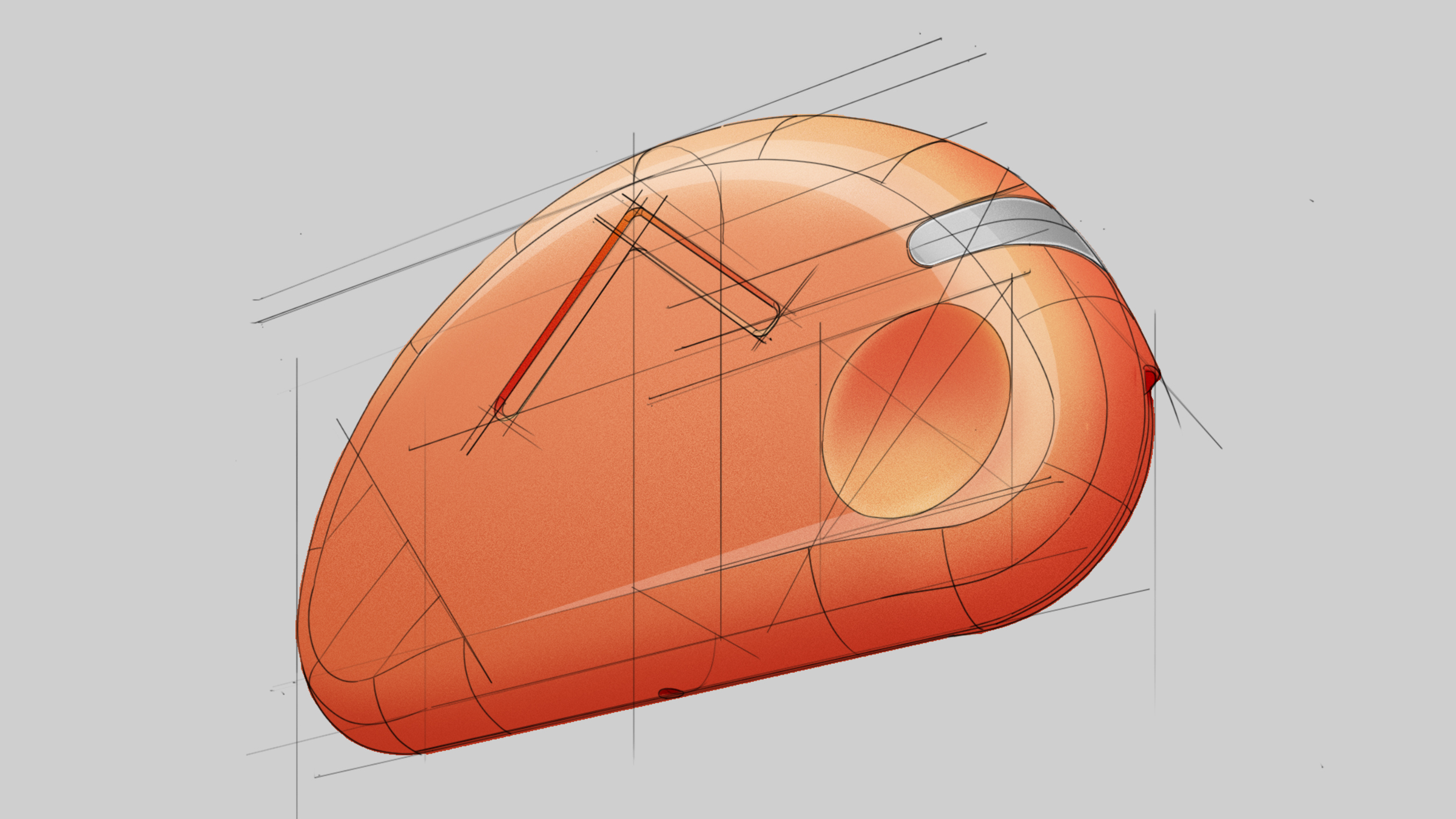
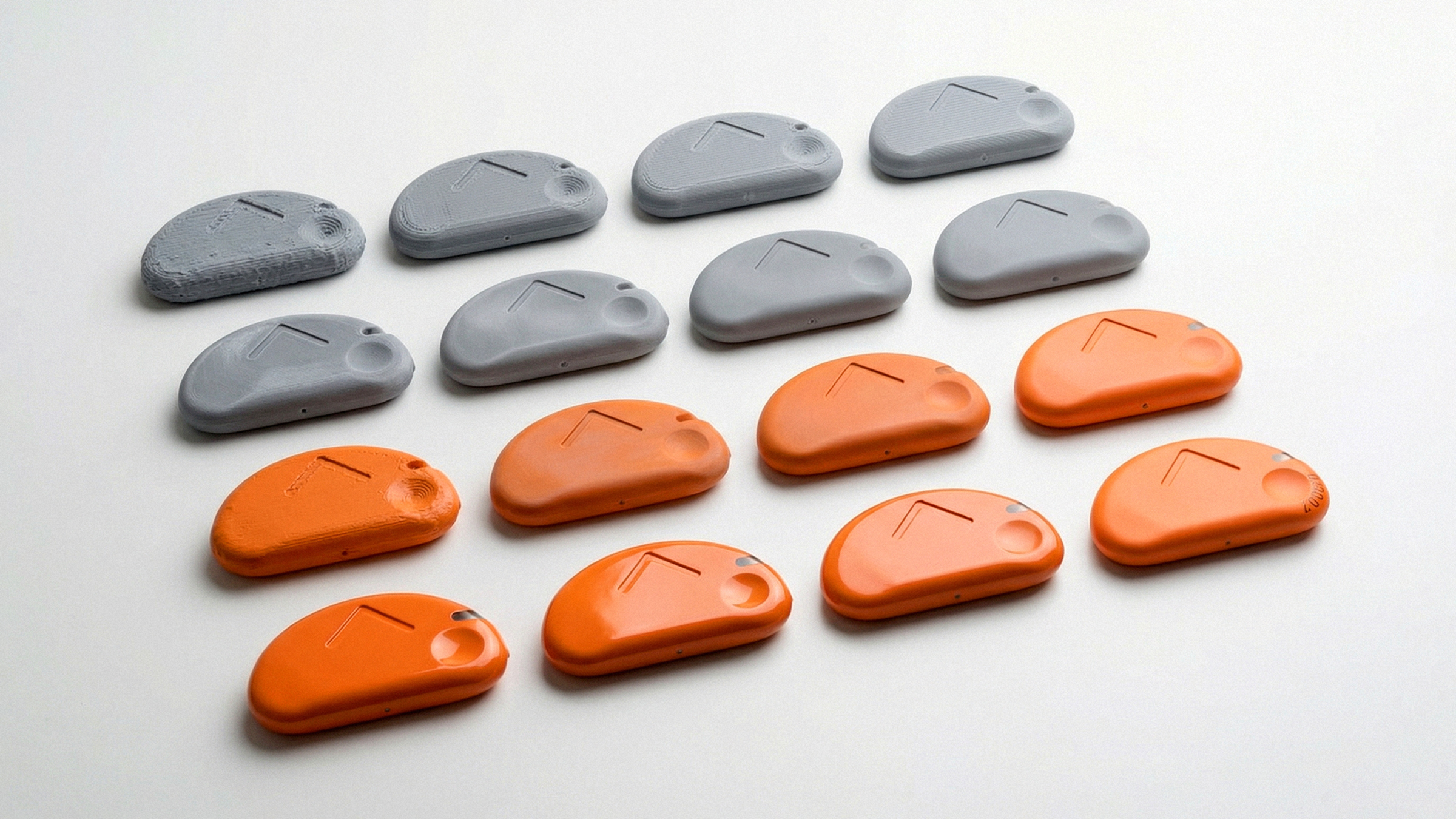
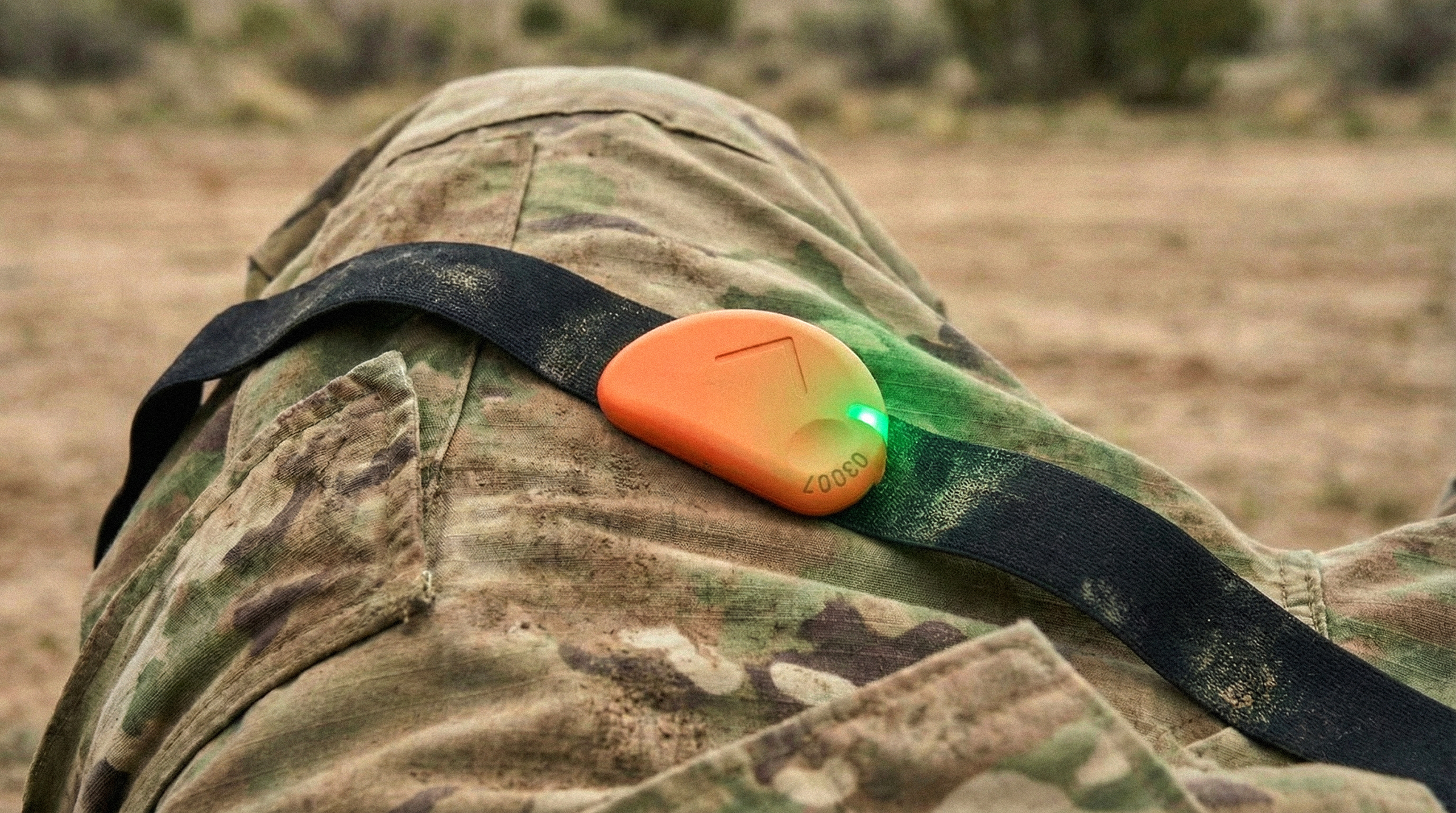
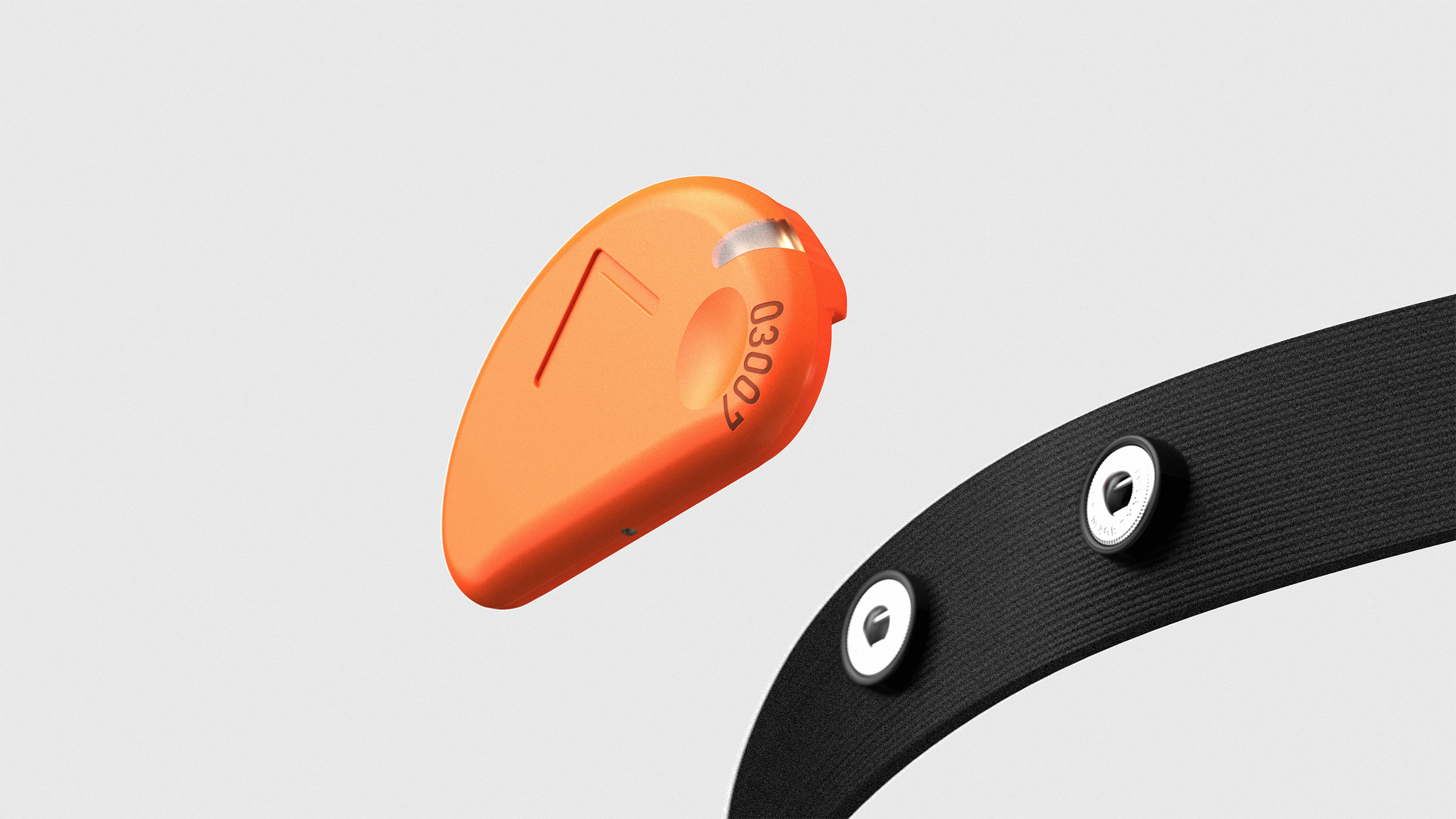
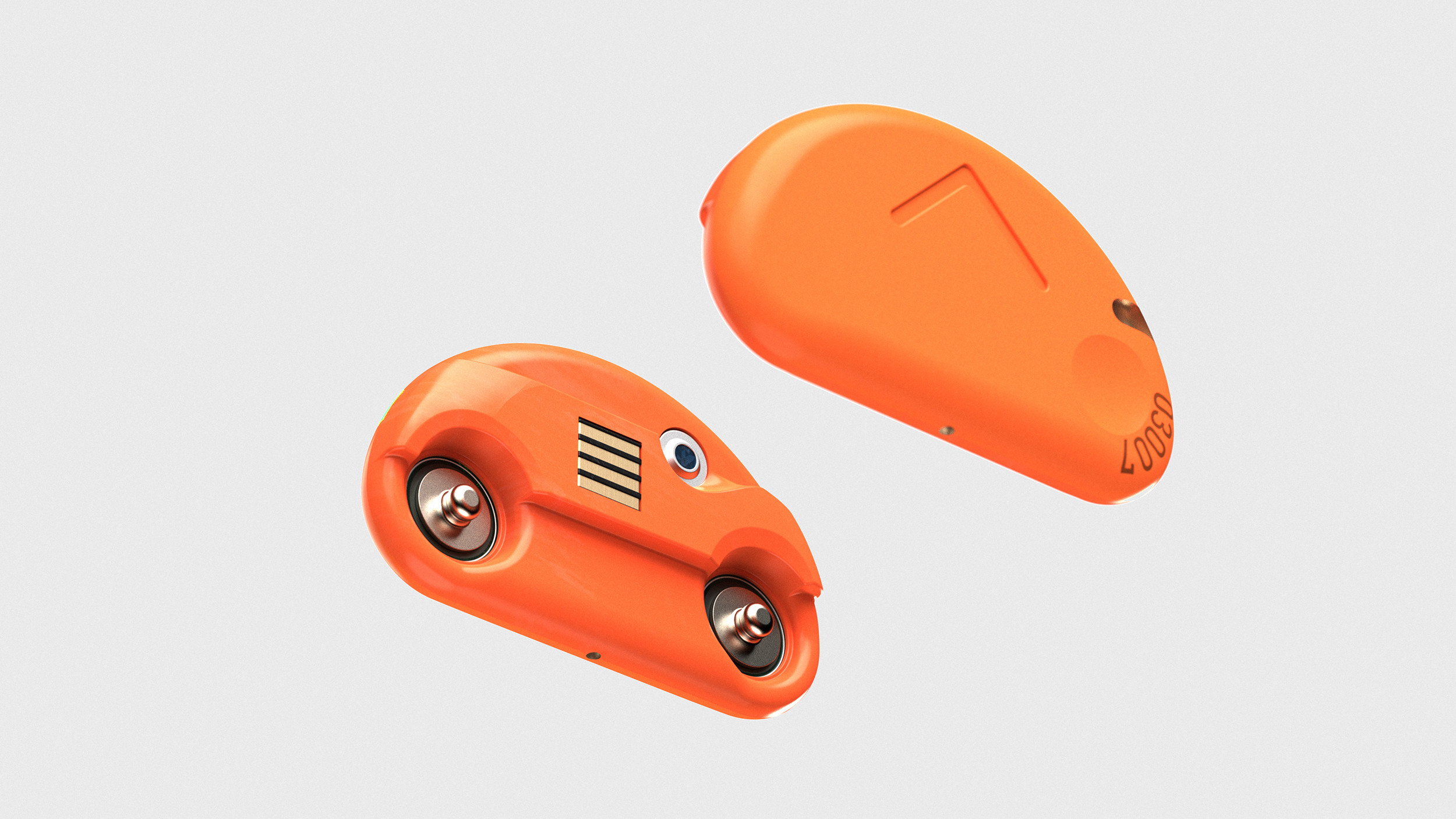
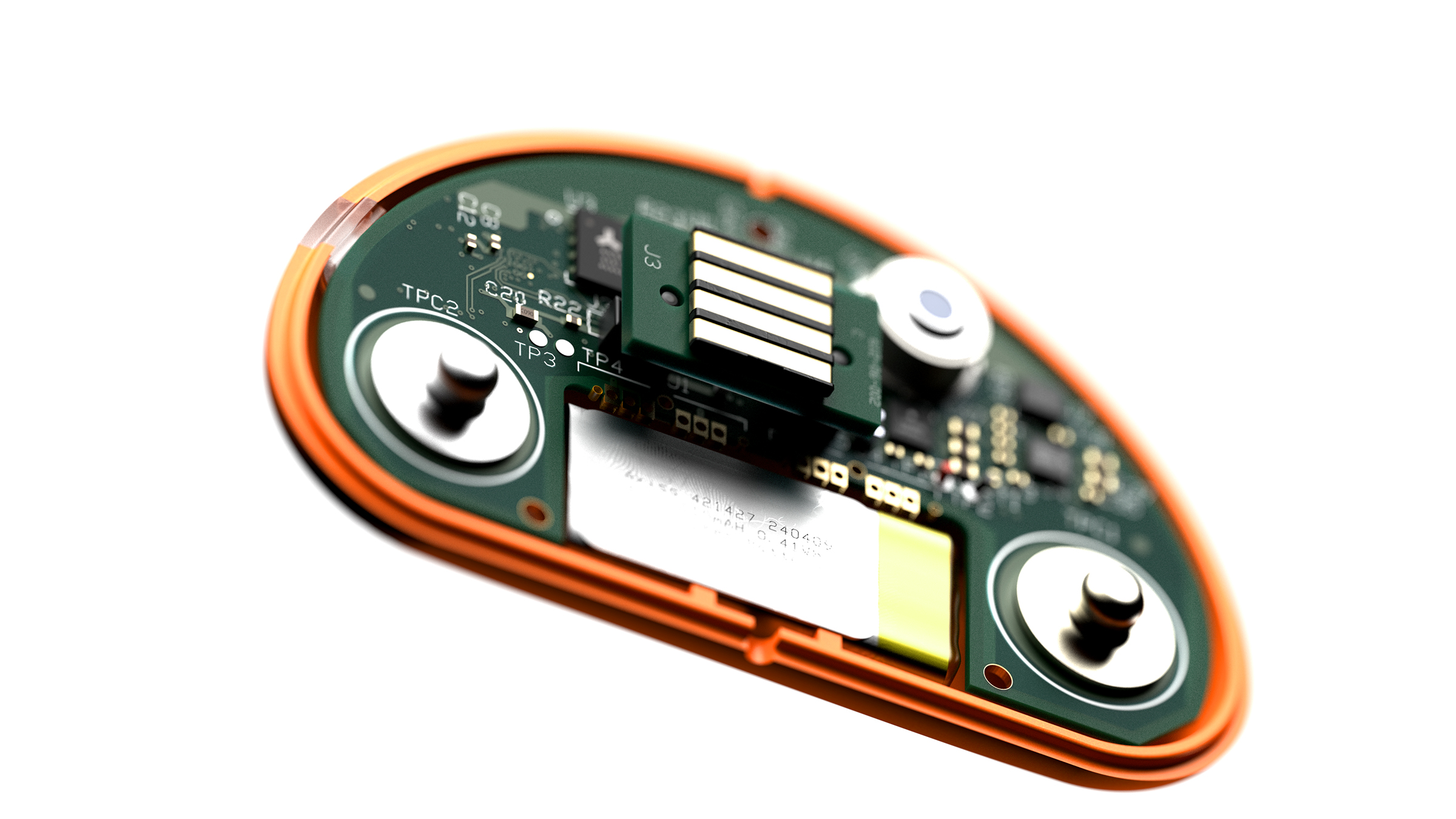
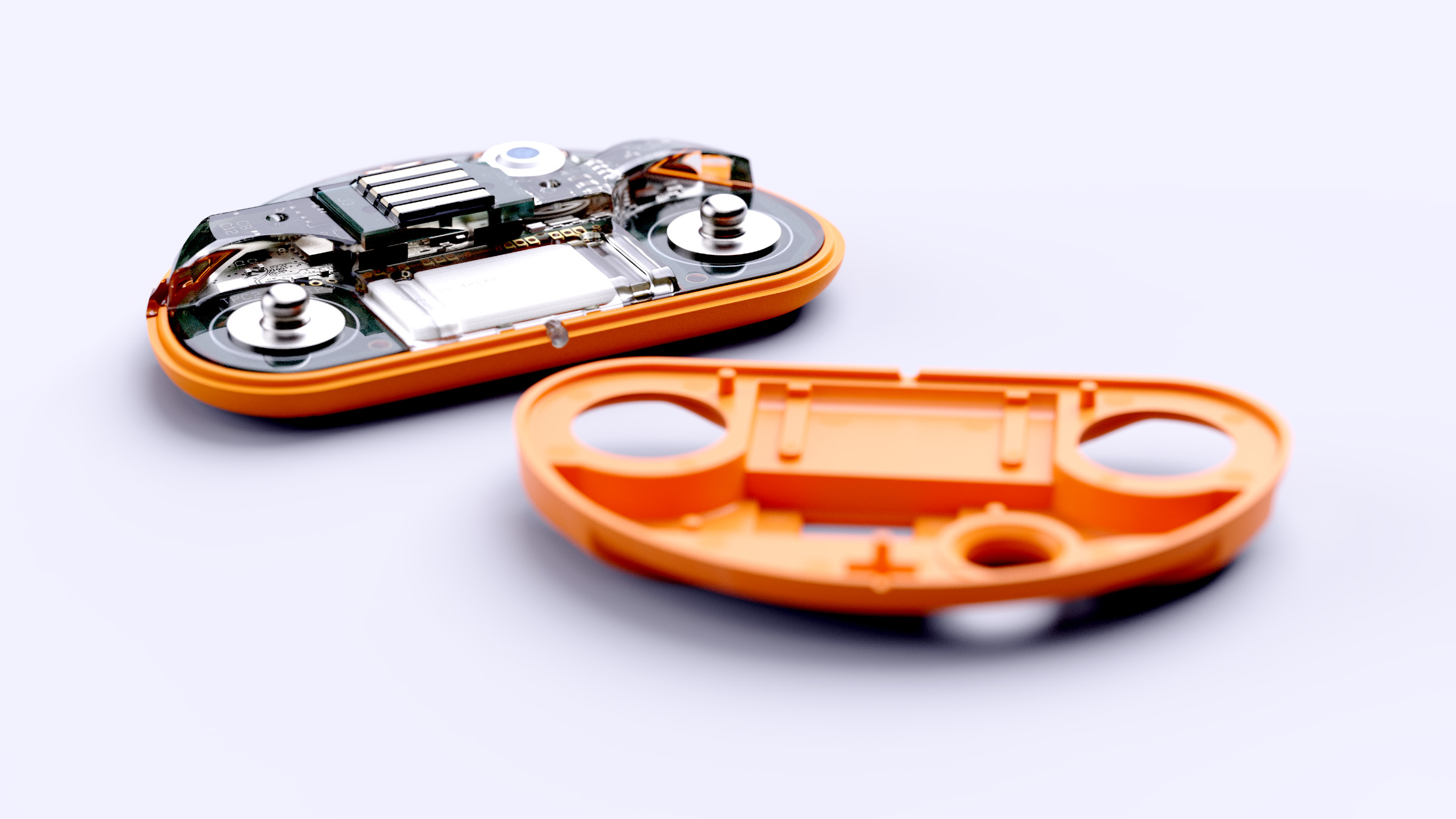
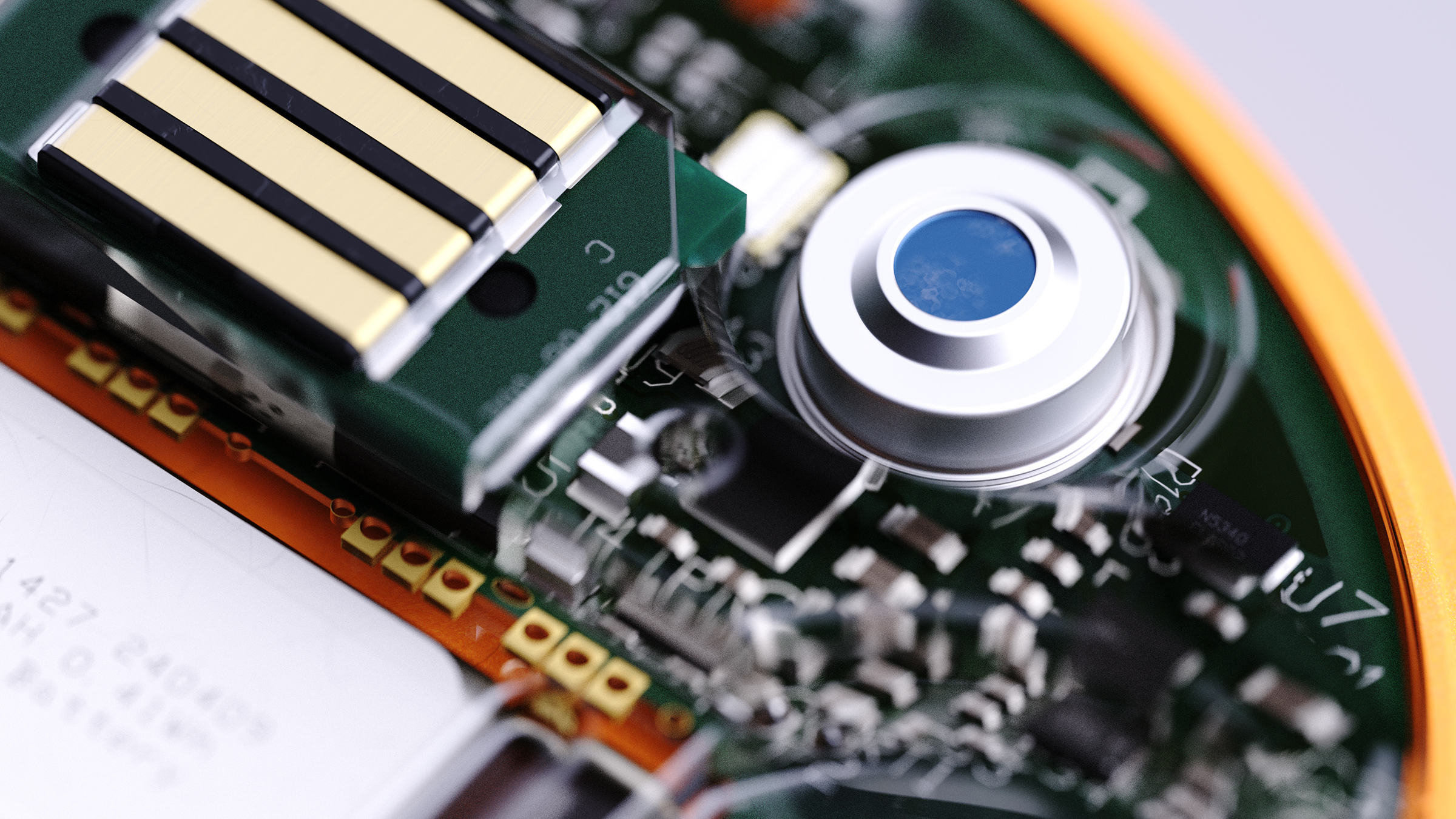
A key part of the development process was determining how to manufacture the device in a way that could withstand demanding environmental conditions while maintaining a low-profile form. To achieve this, the internal electronics, including the PCB and injection molded components, were embedded in epoxy to fully seal and protect the system from sweat and moisture exposure.
Sweat was one of the primary failure risks, and traditional sealing methods introduced complexity and bulk. By fully potting the electronics, we were able to simplify the assembly while improving durability and long-term reliability.
A critical breakthrough came with the introduction of a standoff daughter board that served as the charging interface. This approach eliminated the need for exposed connectors, reducing wear over time and improving overall system robustness.
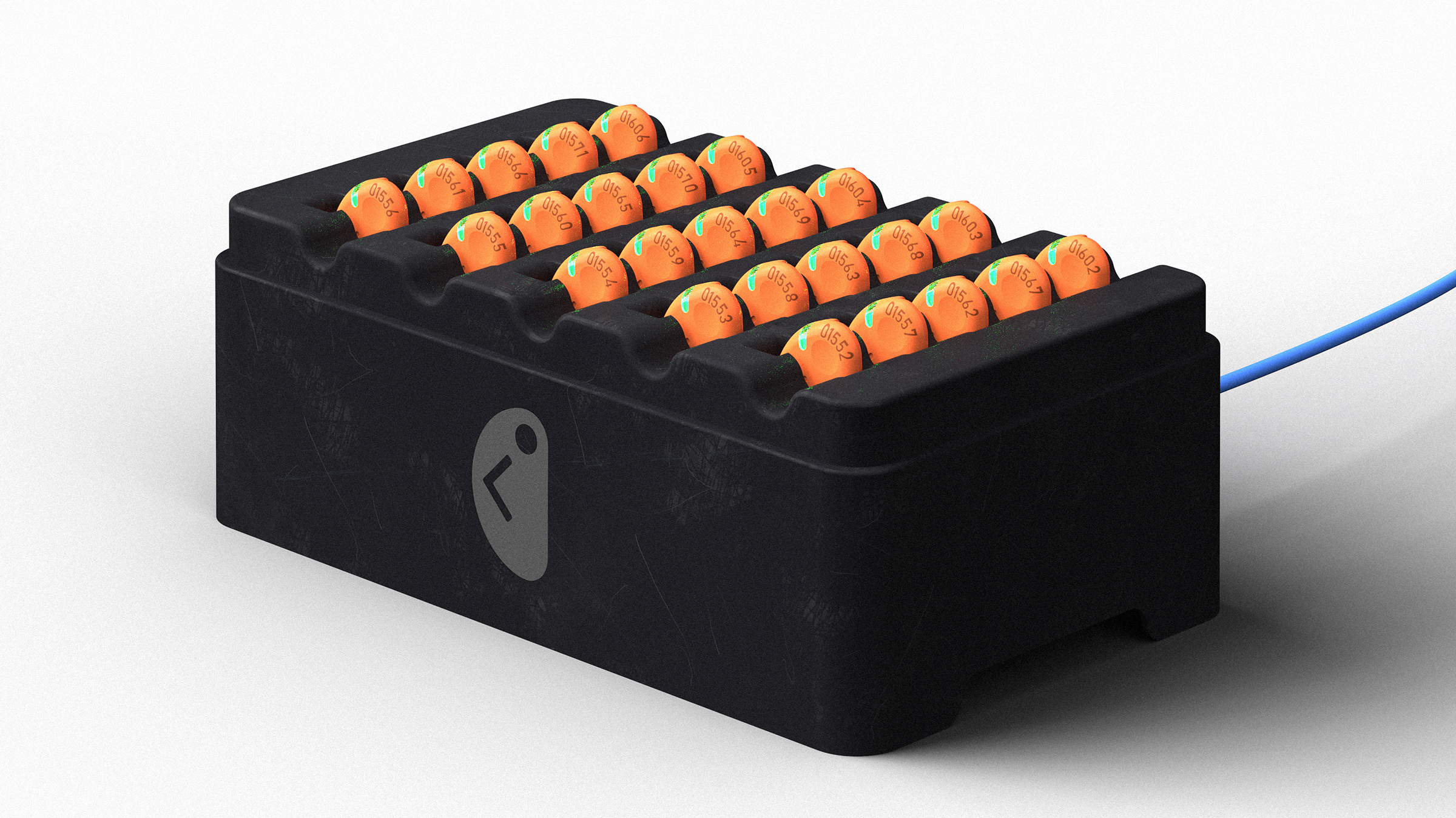
Alongside the wearable device, the charging system was designed to support efficient deployment and data management in the field. A centralized bulk charging station allows multiple units to be stored, charged, and managed in a single location, making it easy to transport and deploy during training exercises.
Each device is assigned a unique identifier, linking collected physiological data to individual users. This structure enables long-term tracking and analysis, including trends such as median temperature over time. The charging station uses spring-loaded contacts for quick insertion and removal, reducing friction during use and minimizing wear compared to traditional connectors.
A wired connection, using a SATA interface, links the charging station to a computer for data transfer and system management, while embedded Bluetooth on each device supports real-time monitoring during active use.